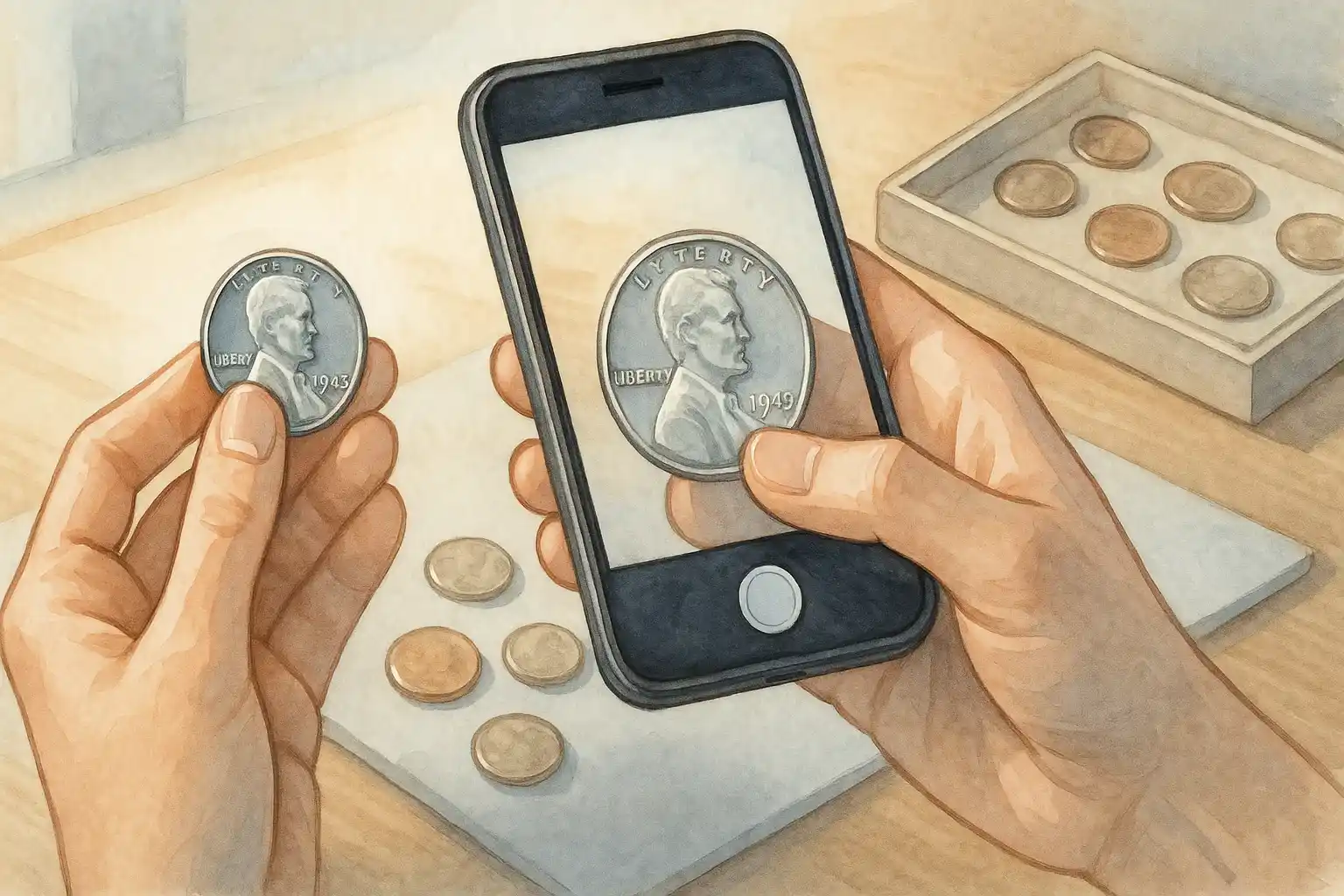

U.S. pennies form one of the most accessible entry points into American numismatics. A single denomination contains more than a century of design shifts, metal changes, minting anomalies, and historic production quirks.
This range creates a clear progression: beginners start with wheat cents drawn from small dealer boxes or pocket change, while advanced collectors hunt rare varieties and dramatic wartime errors like a 1943 steel penny that surface in auctions only a few times per decade.
A Natural Path from Beginner Finds to High-Value Rarities
This ranking system helps new hobbyists organize goals. By moving from entry-level pieces through intermediate varieties and onward to high-stakes treasures, collectors gain skills in grading, surface evaluation, mint mark study, and die-variety attribution.
Each tier teaches something different. Lower levels present affordable repetition, letting beginners learn through volume; upper tiers demand sharper observation and stronger verification habits.
Pennies excel as a training ground for three reasons:
- They offer massive mintage ranges and obvious production contrasts.
- They include famous errors and transitional compositions that sharpen identification skills.
- They stay widely collected, keeping value patterns stable across decades.
Entry-Level Pennies: Wheat Cents (1909–1958)
Wheat cents form the backbone of early learning. They are common, inexpensive, and visually distinctive. Most dated in the 1940s and 1950s show steady availability, giving beginners plenty of material to practice grading, comparison, and evaluation, both manual and supported by a coin identifier app.
Typical entry-level traits:
- Brown or red-brown surfaces with moderate wear.
- Raised wheat ears on the reverse that sharpen observation skills.
- Mint marks that help new collectors see the difference between Philadelphia, Denver, and San Francisco strikes.
Market context
Common circulated examples usually trade in the $0.25–$2 range. They appear in mixed rolls, small coin shop bins, and beginner albums. Even in low grades, wheat cents reflect major historical moments including wartime metal adjustments and shifts in minting volumes.
Yet this tier also contains a key lesson: rarity hides inside common years.
Important example beginners miss
- 1922 “Plain” (No D)
Produced during a die polishing episode that erased the mint mark. Worn examples cross the $500+ threshold, yet many remain overlooked because the coin resembles an ordinary 1920s wheat cent. The missing mint mark is the clue, but it takes consistent magnification to confirm.
Learning to spot anomalies like this teaches beginners to examine more than dates alone.
Why Wheat Cents Make the Ideal Starting Tier
Beginners gain essential skills through repetition:
- Surface reading, (with a coin value app to support at the start): spotting weakness, strike softness, and worn legends.
- Mint mark checks: a foundation for understanding rarity distribution.
- Roll searching: the simplest path to building variety recognition.
- Historical pattern review: connecting mintage volume to survival today.
Wheat cents also keep progress affordable. A collector can assemble dozens of pieces without major financial pressure, then advance into key dates and famous errors with stronger accuracy and confidence.
Intermediate Tier: Key Dates and Famous Varieties
Intermediate-level pennies reward collectors who use magnification and compare features carefully. These coins appear in dealer stock but rarely in casual circulation. Their premiums rise from mintage scarcity, clear die characteristics, or historically significant production issues.
Key examples:
- 1914-D Lincoln Cent
Struck in low numbers in Denver. Circulated pieces fall in the $200–$1,000 range depending on surface quality. Weak rim areas, light mint marks, and uneven wear require careful authentication. - 1955 Doubled Die Obverse
The classic doubled-date Lincoln. The rim, date, and LIBERTY show bold separation lines. Even circulated coins begin around $800, while strong examples reach several thousand. - 1969-S Doubled Die Obverse
Notable for thick doubling on the date and LIBERTY. The variety remains scarce and commands $25,000+ in higher grades. Beginners often miss it because the doubling grows clearer under angled light.
Skills this tier teaches:
- Identifying doubling on letters and numerals.
- Distinguishing machine doubling from true hub doubling.
- Using mint mark style and spacing to confirm authenticity.
- Confirming rarity through mintage tables and die variety guides.
Collectors who master these checks build the accuracy needed for the advanced tier.
Advanced Tier: Wartime Metal Errors and Transitional Strikes
This tier represents major increases in both value and scarcity. Wartime errors occur when leftover planchets or feed malfunctions create coins struck on the wrong metal. These pennies require strict verification because counterfeits are common and grading services play a central role in price stability.
Notable examples:
- 1943 Bronze Cent
Instead of steel, a small number were struck on bronze blanks. They weigh 3.11 g, do not attract magnets, and show warmer coloration. Certified examples exceed $100,000, making them the highest-profile Lincoln errors. - 1944 Steel Cent
The reverse scenario: leftover steel planchets struck during the year bronze resumed. Circulated survivors reach $400,000 in major auctions due to extreme rarity.
These advanced-tier pieces reinforce the need for weighing, magnet testing, and comparing surfaces with verified photographic references. Even minor traits such as rim color or plating texture play a role in confirmation.
Ranking Table for Quick Comparison
| Rank | Penny Type | Circulated Value Range |
| Entry | 1941 Wheat Cent | $0.25–2 |
| Intermediate | 1914-D Lincoln | $200–1,000 |
| Advanced | 1955 Doubled Die | $800–5,000 |
| Treasure | 1943-D Bronze | $100,000+ |
| Ultimate | 1969-S DDO | $25,000+ |
This table highlights the steep curve from standard wheat cents to high-stakes rarities. The leap from intermediate varieties to treasure-level pieces exposes how quickly price jumps as survival rates drop.
Treasure-Level and Ultimate Pennies
These coins sit at the top of the Lincoln hierarchy. They appear rarely, enter auctions infrequently, and often require expert evaluation before purchase.
Treasure-Level: 1943-D Bronze
A standout among wartime cents. Its combination of mistaken alloy, Denver origin, and exceptional scarcity places it beyond routine collecting. Even worn pieces demand six-figure bidding.
Ultimate Tier: 1969-S Doubled Die Obverse
Collectors rank it among the most dramatic Lincoln die varieties. Strong separation on the date and letters creates unmistakable boldness. Survival remains low, and high-grade examples consistently exceed $25,000.
These upper tiers teach the importance of:
- Certified grading
- Detailed provenance
- Multi-angle visual analysis
- Permanent storage and protection
Very few collectors begin at this level, yet understanding these pieces helps set long-term goals.
Modern Hidden Gems
Post-1980s cents contain surprising premiums. Many derive from die swaps or proof dies entering the circulation stream. These modern finds remain achievable for roll searchers and often introduce collectors to spacing diagnostics.
- 1999 Wide AM — reverse spacing shows the A and M apart; circulated examples bring $100+.
- 1992 Close AM — letters nearly touching; circulated coins can hit $5,000+.
These pieces highlight how small design differences transform ordinary modern cents into noteworthy discoveries.
Verification for Every Tier
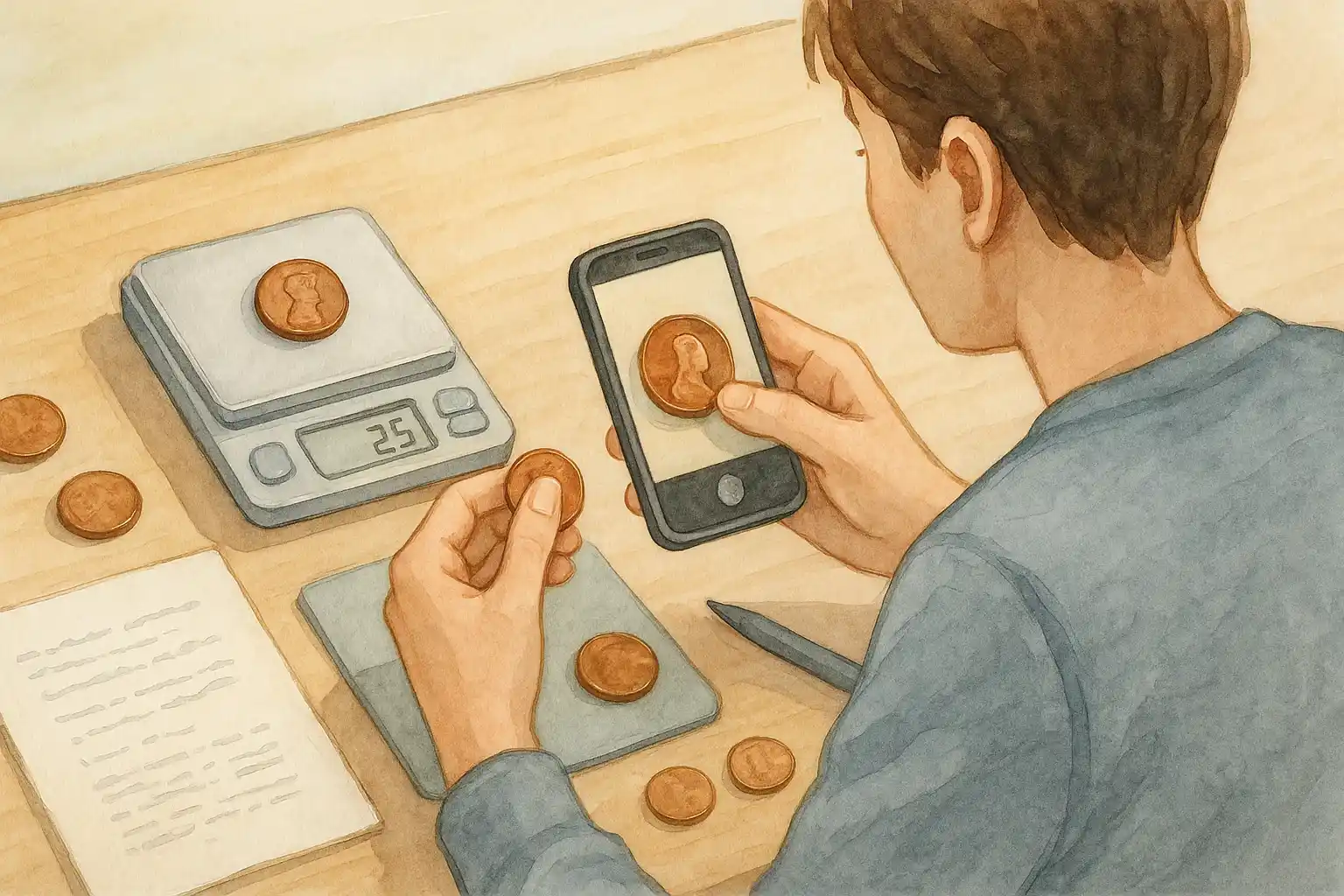
A reliable verification routine transforms random finds into structured, confident decisions. This step matters equally for inexpensive wheat cents and six-figure wartime errors.
Core checks that apply to all collectible pennies:
- Weight Measurement
Modern zinc cents weigh 2.5 g, while earlier bronze cents weigh 3.11 g. Composition anomalies become clear once a scale enters the process. Even small deviations highlight potential wrong-planchet strikes. - Magnet Testing
A simple magnet test exposes 1943 steel cents and helps eliminate counterfeits. It also confirms that a suspected bronze 1943 piece is not steel with altered plating. - Mint Mark Examination
Loupe inspection reveals repunched marks, faint marks, and unusual spacing. The difference between a common coin and an intermediate-tier variety often lies in this detail. - Die Variety Comparison
Doubling, AM spacing, hub shifts, and clash marks grow clearer under angled light. Comparing these traits with variety references strengthens accuracy and avoids false positives. - Surface Integrity Review
Lamination flaws, plating bubbles, and abrasion patterns help determine whether a coin is a Mint error or simple damage.
This verification sequence keeps grading impressions grounded in measurable details, not assumptions.
Building Ranked Penny Sets That Grow in Value
A ranked collection teaches discipline. Many collectors begin with common wheat cents and upgrade tier by tier. The goal is not only to gather higher-value coins but also to refine judgment across thousands of surface variations.
Practical strategies for building a ranked set:
- Divide albums by tier
Keep entry-level, intermediate, advanced, treasure-level, and ultimate pieces in separate sections. This reduces confusion and highlights progress visually. - Upgrade intentionally
Replace lower-grade coins only when a clear improvement appears. Document each upgrade to track growth. - Use consistent labeling
Mark pages with mintage figures, variety notes, and weight references. This adds context each time the collection is reviewed. - Participate in trades
Shows and club meetings offer affordable opportunities to move duplicates and reach higher tiers without overspending. - Record provenance for rare pieces
Treasure-tier and ultimate-tier pennies need documented ownership history and certified grading to preserve long-term value.
A ranked penny set becomes more than a display. It demonstrates progression through skill levels, from first wheat cents to advanced wartime errors with strict verification.
Why Pennies Remain a Strong Collecting Path
Pennies carry clear educational value, reliable market behavior, and a wide spectrum of difficulty. Entry-level pieces build foundational habits. Intermediate varieties sharpen pattern recognition. Advanced and treasure-level coins reward precision and patience. Modern hidden gems keep roll searching relevant, adding surprise potential to every batch of change.
A structured ranking system not only guides beginners but also keeps long-term collectors motivated. Each tier opens a new layer of the Lincoln cent series, connecting minting history, production quirks, and scarcity in a way that remains engaging decade after decade.