

Every coin collection starts with one curious moment: finding an unusual coin in change, coming upon an old jar in a drawer, or finding something shiny on a market. Suddenly you want to know more: where did it come from, who used it, what story does it carry?
The good news is that your first steps into collecting don’t have to be complicated or expensive. Coins are hiding in everyday places, and once you know where to look and how to identify it quickly with a Coin ID Scanner, the hunt becomes genuinely fun.
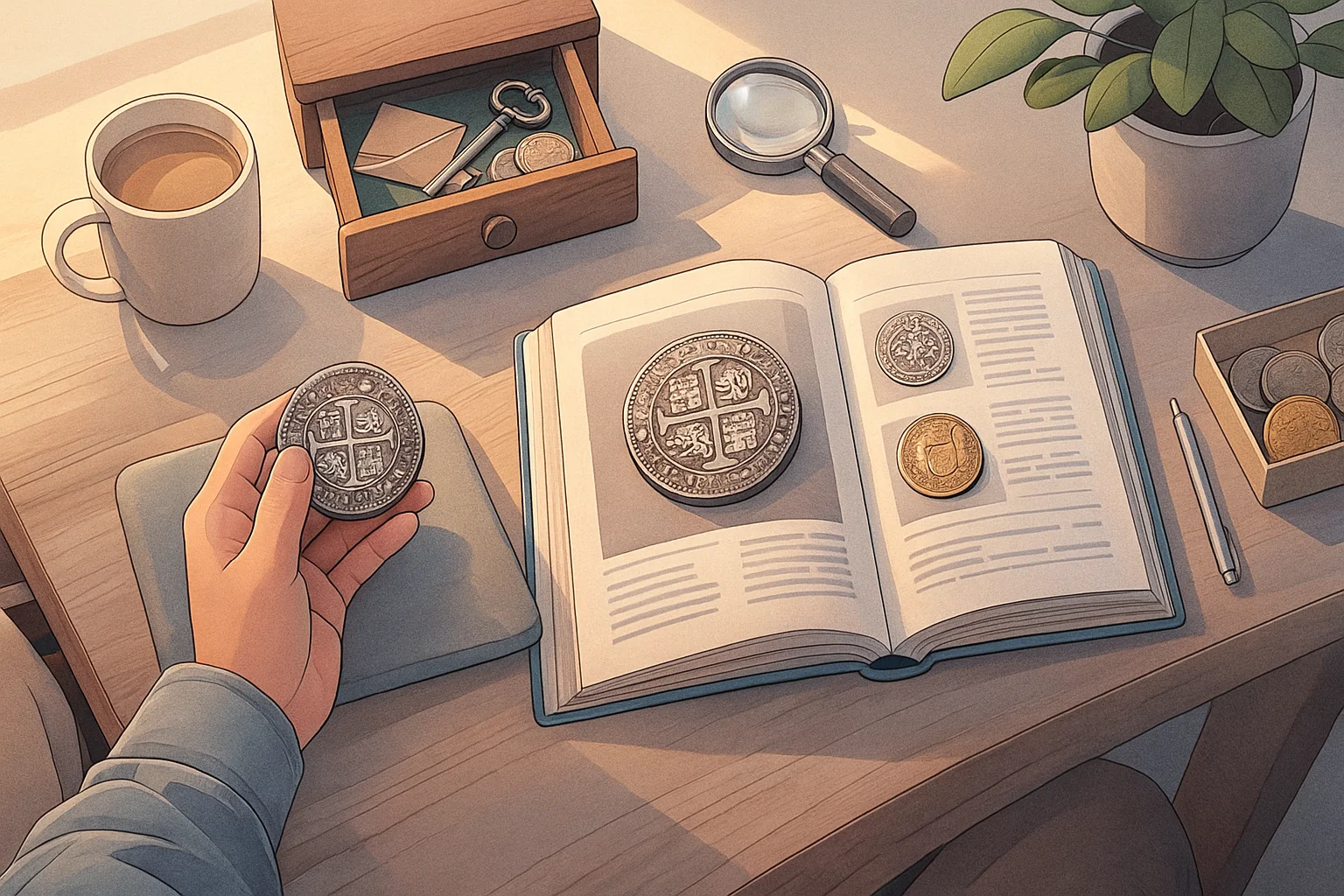
Begin With Your Own Change
One of the easiest ways to begin is by looking at the coins already passing through your hands. Everyday change can reveal:
- Older circulating coins you rarely see
- Commemorative designs issued for special events
- Minor varieties, mint mark differences, or small errors
- Foreign coins mixed in with local currency from travel and tourism
This doesn’t cost anything, yet it teaches you about the interesting details to be found. Those beginning collectors who get into the habit of reviewing change rapidly discover pattern recognition, mint marks, dates, and variations in designs.
Explore Coin Jars, Family Drawers, and Forgotten Corners
Many families have little hoards of old coins stored in boxes or jars. These unintentional “collections” may contain the following:
- Coins discontinued decades ago
- Pre-euro and international currency saved from vacations
- Circulating commemoratives people forgot about
- Assorted batches of pennies, nickels, or cents from different eras
Family members can also share older coins from their travels or collections, making the beginning more meaningful with coin value, even not big economically, connected to personal history.
Local Coin Shops: A Beginner’s Best Ally
One of the most reliable places for starting collectors remains brick-and-mortar coin shops. They offer:
- Curated selections suitable for beginners
- Affordable starter coins
- The ability to ask questions and receive candid advice
- Hands-on experience looking at coins before buying
Most dealers like to educate new collectors. A relationship with a knowledgeable shop owner will open doors to better selections and early access to new arrivals.
Coin Shows for Variety and Inspiration
Regional and national coin shows bring a number of dealers together under one roof exposing the beginner to:
- Historical coins
- Modern commemoratives
- Foreign currency
- Budget-friendly bulk bins
- Educational displays and seminars
These events help you understand pricing, compare different grades, and explore coins from many countries at once. One of the fastest ways to build early knowledge is by walking through a coin show.
Expanding Your Search: Online Platforms, Auctions, and Collector Communities
Once you’ve perused the coins in circulation and those available at local shops, the next level of coin exploration involves broadening your search. For today’s collectors, online marketplaces, organized clubs, and international auction platforms offer more choices than ever before. These sources give beginners exposure to a broader variety of coins while teaching important lessons about pricing, authenticity, and safe buying practices.
Online Marketplaces: Convenience With Caution
Websites like eBay, among others, have enormous selections, from inexpensive starter coins to premium collectibles. Online shopping opens the door for the beginning collectors to many different countries, time periods, and themes.
Online buying, however, needs clear-eyed judgment. When buying:
- Study seller feedback and transaction history.
- Pay close attention to clarity and the accuracy of listing photos.
- Compare prices with reliable market references
- Read the full description of items to avoid surprises.
Online platforms can be a great source for starter coins, but it requires great care not to overspend or buy misrepresented items. The best coin identifier app is necessary to search calmly through them.
Specialized Numismatic Auctions
At coin-specialized auction houses, all kinds of lots are sold, including very budget-friendly pieces for a beginner. Auctions are organized, transparent, and often with expert descriptions.
Auctions are beneficial to beginners because they provide:
- Market pricing realistically
- Verified photos
- Professional grading details
- Access to world coins outside of everyday circulation
Many platforms also archive sold listings, which helps new collectors learn how coin values change with time. The best way to understand bidding behavior and the current demand is to watch a few auctions.
Coin Clubs and Collector Societies
Joining a coin club — in-person or online — is one of the most valuable first steps a beginner can take. These groups welcome collectors at every level and offer immediate access to folks who enjoy sharing what they know.
Clubs provide:
- Educational meetings and workshops
- Group exchange and cheap trading possibilities
- Members-only exclusive sales
- Mentorship from experienced collectors
- Insights into local shows and events
Forums and online communities also unite collectors from all parts of the world, presenting a global view of the coins you will probably never see in your neighborhood.
International Sources Exploration
Many countries mint commemorative coins each year, which are sold directly via online shops by the official mints. This affords beginners uncirculated and authentic coins at transparent prices.
Popular sources include:
- National mint websites
- Authorized distributors
- Government-issued Coin Programs
Buying directly from official sources guarantees authenticity and sets realistic expectations for value and rarity.
Build Experience Slowly and Steadily
As you explore these sources, you will naturally develop an eye for quality, pricing, and interesting themes. Early collecting should be a time of learning and not rushing to acquire expensive pieces. Understanding where and how coins are sold lays the foundation that will make future collecting more rewarding and less risky.

Strengthening Your Start With Technology: Identify, Verify, and Organize Your First Coins
As you gather your early finds from circulation, shops, shows, and online platforms, the next challenge is understanding what each coin is and how it fits into your growing collection. To the beginning collector, this stage often seems overwhelming: the various mint marks, metals, dates, varieties, and their prices are all over the board. Modern digital tools simplify this learning curve, giving you clarity and confidence from the start.
Why Technology Matters for New Collectors
Traditional books and catalogs remain useful, but digital tools give beginners faster access to information that once required hours of searching. With just a photo, you can find out:
- Precise minting years and issuing countries
- Metal composition-weight
- Type classifications
- Market estimates and collector demand
- Differences between common types and premium varieties
This instant information reduces mistakes and helps you understand what you’re holding.
Coin ID Scanner: A Beginner’s All-In-One Companion
The Coin ID Scanner app has a number of powerful features designed to support early collectors at every point of their journey. Its ease of use has made it an ideal digital companion:
- Photo Identification: Take or upload a photo to get authentic information like the type of coin, mint location, metal composition, weight, diameter, and an assessment of its value.
- Global Database: Access over 187,000 coins, including modern issues and older circulation coins, and many world types you may encounter as you explore new sources.
- Smart filters and search tools will enable you to browse coins by country, metal, denomination, or era when selecting new issues to add to your collection.
- Digital Collection Management: Store photos and notes for each coin and track purchases. Organize categories as your collection grows.
- AI Coin Helper: Ask questions to clarify uncertain features, understand the historical context, or compare varieties before buying.
This combination of instant identification and structured organization keeps beginners from feeling lost in the early months of learning.
How Technology Helps You Avoid Mistakes
New collectors usually face difficulties with the proper identification of coins, overpaying online, or missing valuable details. Digital tools prevent them by:
- Providing reference data prior to committing to a purchase
- Highlighting coins that do not conform to official specifications
- Offering easy methods for price comparison across sources
- Helping detect foreign coins mistakenly received in change
- Supporting verification after attending a coin show or buying online
A single photo can reveal whether a coin matches a seller’s claim; that gives a beginner a stronger feeling of security.
Coin collecting is about the little discoveries: a surprise in your change, an old coin from a family drawer, or something interesting from a shop. As you learn about them and explore further, your collection starts to grow with real meaning. Coin ID Scanner guides both your understanding and the organization of your collection, which means each new coin feels like a new step on an ongoing adventure. Just keep exploring and enjoy every find.